School Is Back. So Are the Online Tips. What September's Cases Mean for the Carolinas

School Is Back. So Are the Online Tips.
September brings backpacks, new schedules, sports practices and, for many children, even more time connected to their phones.
It is also a time when parents, educators, and youth leaders need to pay attention to what is happening online.
Recent cases in North and South Carolina show a troubling pattern: investigations into the sexual exploitation of children can begin with a report to the National Center for Missing & Exploited Children (NCMEC), followed by a law-enforcement investigation and, eventually, an arrest.
The first warning may not be something happening on a street corner. It may be something happening on a screen.
What Happened in the Last Few Days?
On September 1, the Invictus Task Force in Randolph County, North Carolina, announced the arrest of a 21-year-old Asheboro man following an investigation that began with a CyberTip from NCMEC in March. Investigators executed a search warrant and charged the suspect with three counts of felony second-degree sexual exploitation of a minor. The investigation remains ongoing.
In South Carolina, the Attorney General's Office announced three unrelated arrests in the Lowcountry involving allegations of the sexual exploitation of minors. Investigators from the South Carolina Internet Crimes Against Children Task Force, local sheriff's offices, and Homeland Security Investigations worked together after receiving CyberTipline reports from NCMEC. Check the news.
These cases are not all human trafficking cases and that distinction matters. Child sexual exploitation, online enticement, sextortion, and human trafficking are different crimes. But they can exist within the same larger landscape of vulnerability, grooming, coercion, and exploitation.
And increasingly, that landscape includes a phone.
When Exploitation Moves Online
A child does not have to meet a stranger in a parking lot to be targeted.
National Center for Missing & Exploited Children (NCMEC) reported more than 50,000 reports of financially motivated sextortion in 2025, averaging about 137 reports every day. The organization also reported more than 1.4 million reports of online enticementin 2025.
The technology continues to change, too.
NCMEC has warned parents about AI-powered "nudify" tools that can turn ordinary, fully clothed photos into fake sexually explicit images. The images may not be real, but the humiliation, threats, and emotional harm can be very real.
That is why online safety needs to be part of every back-to-school conversation, not just a conversation that happens after something goes wrong.
The National Problem Is Showing Up at Home
The numbers do not tell the whole story, but they help show the scale of the problem.
In South Carolina, the National Human Trafficking Hotline identified 171 trafficking cases involving 237 victims in 2025.
North Carolina's 2025 figures show 343 identified cases through the National Human Trafficking Hotline.
These numbers represent situations reported to the Hotline. They should not be interpreted as a complete count of trafficking in either state.
And there is another number that may matter even more: how many survivors have somewhere safe to go next?
The Part of the Story That Happens After the Arrest
An arrest can be the beginning of safety.
It is not the end of recovery.
A recent investigation by Live 5 News highlighted a serious shortage of long-term recovery housing for trafficking survivors in South Carolina. The number of survivors identified each year exceeds the number of available long-term beds.
That creates a difficult gap.
A survivor may be removed from an exploitative situation and receive immediate assistance, but healing from trafficking does not happen in a few weeks.
It can require:
- Safe, stable housing
- Trauma-informed counseling
- Education and continued schooling
- Job and life-skills training
- Mentorship and healthy relationships
- Financial literacy and independence
- A supportive community
- Time to rebuild trust and confidence
North Carolina lawmakers have also recognized that trafficking remains difficult to detect and that frontline professionals can lack the training, tools, and resources needed to adequately support survivors.
This is where the conversation has to move beyond rescue.
Help Us Build the Solution: Infrastructure Funding Needed
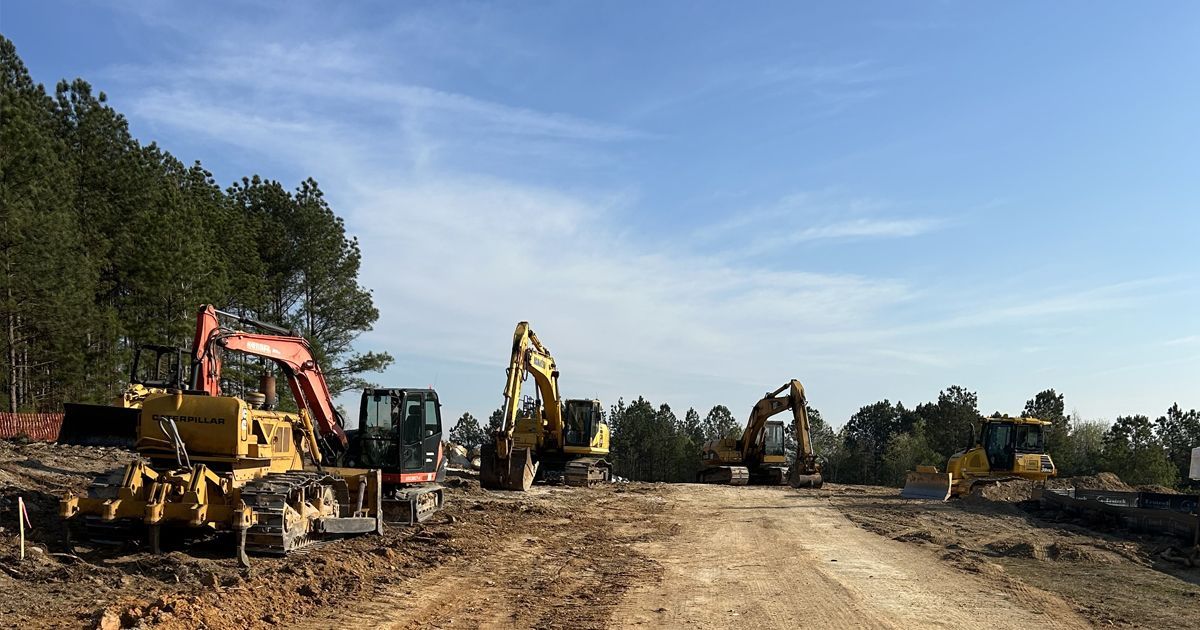
Every survivor deserves more than a rescue. She deserves a place to stay. Right now, the biggest barrier standing between trafficking survivors and long-term healing is unfinished infrastructure. To open our doors and provide the safe, long-term homes survivors urgently need, we must complete construction on our campus. Your gift today helps close that gap and turns a plan on paper into a real place where healing can begin.
What This Month Asks of Us
Parents and Youth Leaders
Talk before there is a crisis.
A child may not say, "Someone is grooming me."
Instead, you may notice changes:
- A new online relationship they want to keep secret
- A sudden move from a public platform to a private or encrypted chat
- Requests for gift cards or money
- Fear or panic about an image being shared
- Withdrawal from family or friends
- Someone online promising gifts, attention, opportunities, or a relationship
The goal is not to frighten children away from technology. It is to make sure they know they can come to an adult without being blamed or shamed.
If sextortion or exploitation occurs, do not pay or negotiate with the person making threats. Preserve relevant evidence when possible and report the incident.
Hotels, Churches, and First Responders
Awareness matters because exploitation does not always look the way people expect.
Possible warning signs can include:
- A young person appearing fearful or controlled
- Someone else speaking for them or controlling their identification or phone
- Restricted movement
- An adult attempting to isolate a minor
- A person appearing unable or unwilling to leave a situation freely
You do not need to investigate or confront someone yourself.
When something feels wrong, contact appropriate authorities or the National Human Trafficking Hotline: (888)-373-7888
Churches and Community Leaders
For churches in York, Mecklenburg, and the Upstate, September is an opportunity to start a simple conversation.
Consider a 15-minute youth-leader briefing, a parent resource sheet, or a short discussion about online safety and trafficking awareness.
But prevention is only one part of the work.
Rescue is day one. Restoration takes time.
Why Long-Term Homes Matter
Destiny's Calling was created around that second part of the story.
The organization is building a secure, long-term healing campus in the yYork Count for girls ages 13-21 who have been rescued from sex trafficking. The planned campus includes residential homes, transitional micro-homes, counseling, education and life-skills support, job training, mentoring, and spiritual restoration.
The goal is not simply to give a survivor somewhere to sleep.
It is to give her the time, safety, structure, and support needed to begin building a different future.
That distinction matters.
Because when a survivor leaves an exploitative situation, she still needs somewhere to go.
She still needs people she can trust.
She still needs an opportunity to finish school, learn skills, work toward independence, and discover that her life can be defined by more than what happened to her.
A safe bed can create distance from danger. A safe home can create room for healing.
If You Need Help Today
National Human Trafficking Hotline
Call:888-373-7888
Text:233733
NCMEC CyberTipline
For reporting online child exploitation, including online enticement and sextortion.
Emergency: Call 911
If you believe a child is in immediate danger, contact law enforcement.
If you are a church, donor, business, or community partner who wants to help create long-term housing for survivors, learn more about Destiny's Calling and the homes being developed in the Carolinas.
Rescue may make the headline. A home is what helps make freedom last.